Using Small Moss Pieces to Structure an Open Wall
Why an Open Wall Can Feel Unfinished
An open wall offers freedom. You can arrange furniture without bumping into corners, let light travel across the room, and keep the space airy. Yet that same openness can leave a wall looking blank or disconnected from the rest of the interior. The eye has no natural stopping point. The room may feel larger than it is, but also colder and less settled.
The solution is not to cover the entire surface. Filling a wall with large art or heavy shelving can overwhelm a small apartment or narrow hallway. What works better is a series of small, deliberate accents that create visual rhythm without blocking the openness. Compact botanical wall decor serves this purpose well. It adds texture and life while keeping the wall's basic character intact.
How Small Moss Pieces Work as Anchors
Preserved moss is lightweight, requires no watering or sunlight, and holds its color for years. When mounted in small, framed sections, each piece becomes a quiet focal point. Arranged thoughtfully, these pieces can guide the viewer's eye across the wall, define zones in a room, or balance the weight of furniture on the opposite side.
The key is scale. A single large moss panel can dominate a room and make a compact office feel cramped. Several small pieces, spaced evenly or in a deliberate cluster, distribute visual weight without overpowering the space. They act like punctuation marks in a sentence - they give structure and pause.
For example, placing a small framed moss piece at eye level near a doorway can draw attention away from a blank stretch of wall. Another piece above a desk can create a soft backdrop that does not compete with monitor screens or paperwork. A third piece in a narrow hallway can break up a long corridor and make it feel less tunnel-like.

Arranging Pieces to Suit the Room
The arrangement matters as much as the pieces themselves. A few basic approaches work well:
- Grid pattern: even spacing in rows and columns. This suits a wall that already has strong horizontal or vertical lines, such as a wall with a long console table or a series of windows.
- Asymmetrical cluster: pieces grouped off-center, with varied spacing. This feels dynamic and works well in a room with clean, minimal furniture.
- Vertical line: pieces stacked in a single column. This can make a low ceiling feel taller or draw attention upward in a compact office.
- Zigzag or diagonal: pieces placed in a staggered line. This adds movement and can connect two areas of the room visually.
Before mounting, lay the pieces on the floor or use paper cutouts taped to the wall to test the arrangement. Step back and see how the grouping relates to the furniture, the window placement, and the natural light. The goal is balance, not symmetry. A cluster that feels too tight can create visual clutter; one that is too scattered can lose its effect.
Choosing the Right Moss and Frame
Preserved moss comes in several varieties. Flat moss, such as sheet moss or reindeer moss, has a low profile that sits close to the backing. This works well in shallow frames. Clump moss has more depth and casts subtle shadows, which can add richness but may protrude from a standard frame depth.
Frame material also matters. Thin metal or wood frames keep the focus on the moss itself. Thicker, ornate frames can compete with the natural texture. A simple black or white frame recedes visually, letting the moss be the main feature. For a warmer look, natural wood tones complement the green without overwhelming it.
When selecting pieces for compact botanical wall decor, consider the wall color. A light wall will make dark moss stand out; a dark wall will make pale moss tones glow. The contrast should be enough to read clearly from across the room but not so strong that it feels harsh.
What It Means for the Reader
Using small framed moss pieces is not about filling space. It is about giving a wall a sense of intention. Each piece is a deliberate mark that says this wall has been considered. For someone living in a small apartment or working in a compact office, this approach offers a way to add natural texture without sacrificing floor space or visual airiness.
Preserved moss requires no maintenance beyond occasional dusting. There is no watering, no wilting, no need to adjust lighting. That makes it a practical choice for rooms that get little natural light or for people who travel frequently. The moss stays consistent throughout the year, keeping the wall's character stable.
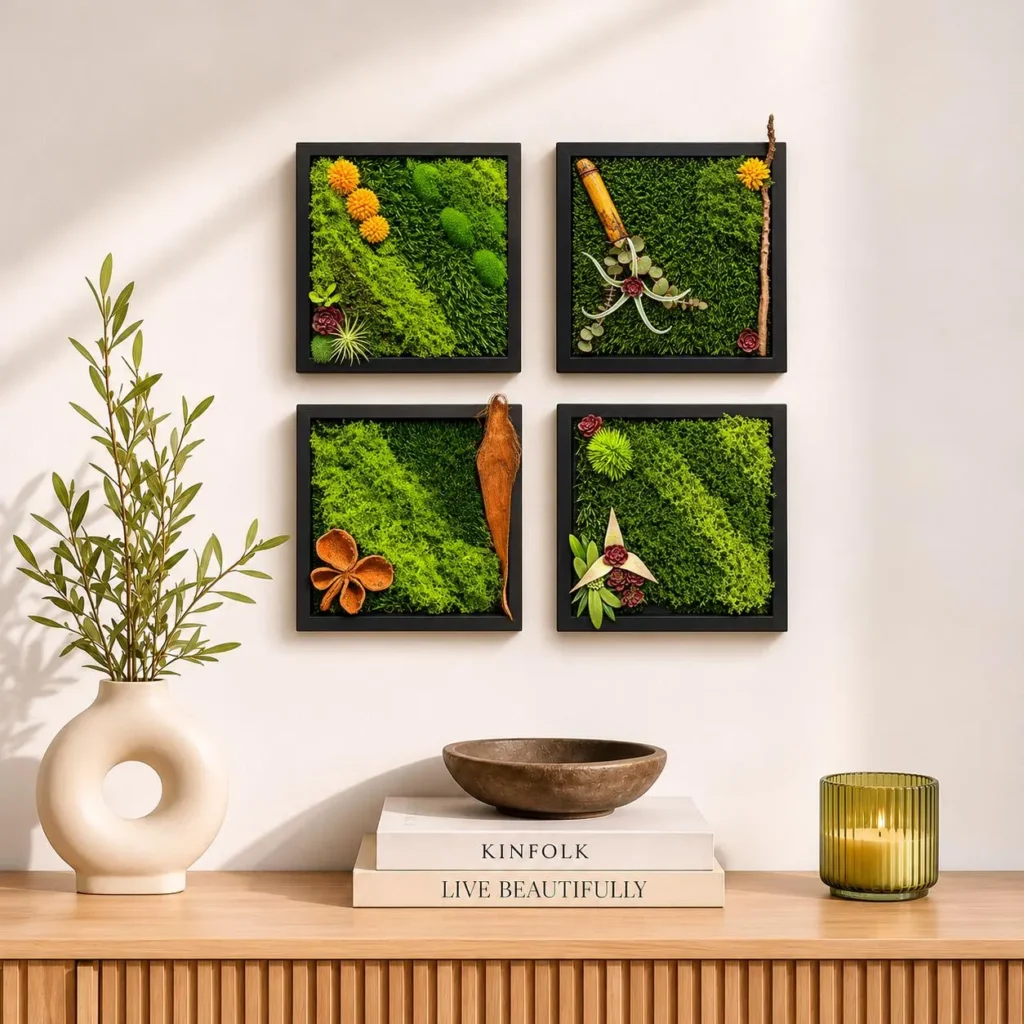
For those who appreciate biophilic design - the idea that bringing nature indoors improves well-being - small moss pieces are an easy entry point. They introduce organic shapes and a calming green tone that can soften the hard lines of furniture and architecture. Over time, the wall becomes a backdrop that supports relaxation and focus rather than distraction.
A site like mosswallart.design specializes in indoor preserved moss wall art that adds natural texture and calming botanical style to interior spaces. Their approach centers on the idea that even a small amount of moss can transform how a room feels. By choosing compact pieces, you get the benefit of nature's presence without the commitment of a full wall installation.
Avoiding Common Mistakes
One common mistake is placing moss pieces too high on the wall. Art should be at eye level for a seated or standing viewer, depending on the room's use. In a living room, that is about 57 to 60 inches from the floor to the center of the piece. In a hallway where people walk past, slightly higher can work because the viewer is standing.
Another mistake is overcrowding. Open walls need breathing room. Leave at least a few inches between pieces in a grid and more in a loose cluster. The wall itself should still read as open, not covered. If you can see the wall surface clearly between pieces, the arrangement is probably right.
Lighting also matters. Direct sunlight can fade preserved moss over time, though most preserved moss is treated to resist fading for years. Avoid placing pieces in a spot where afternoon sun hits them directly. If the room has strong artificial light, such as track lighting, position the moss so it is not in the direct beam for long periods.
Expanding the Look Over Time
One advantage of small pieces is that you can add more later. Start with two or three frames and see how they feel. If the wall still seems bare after a few months, add another piece or two. The arrangement can grow with your confidence and the room's needs. This modular approach is more forgiving than committing to a single large installation.
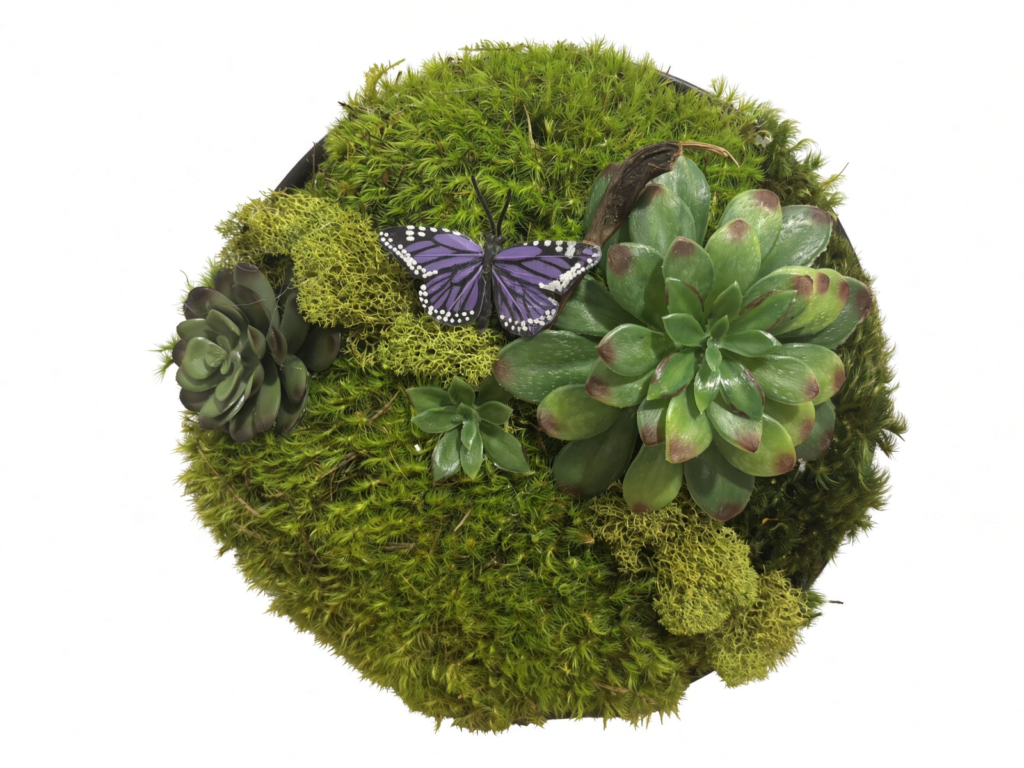
For those who want a cohesive look, choose frames from the same line or in the same finish. For a more eclectic feel, mix frame colors and moss types. The common element is the natural texture, which ties the pieces together even if the frames differ.
In a compact office, small moss pieces can also serve as a visual break from screens. Placing one near the edge of a desk or on a shelf above the monitor gives the eyes a place to rest. The soft green color is known to reduce eye strain and promote a calm mood. This is a small change that can have a noticeable effect on how the workspace feels at the end of a long day.
For anyone considering compact botanical wall decor, the message is simple: start small, think about the wall's proportions, and let the moss do the work. The pieces are not just decoration - they are tools for shaping how a room feels. With thoughtful placement, a few small moss frames can turn an open wall from a blank slate into a composed, inviting space.